
 English
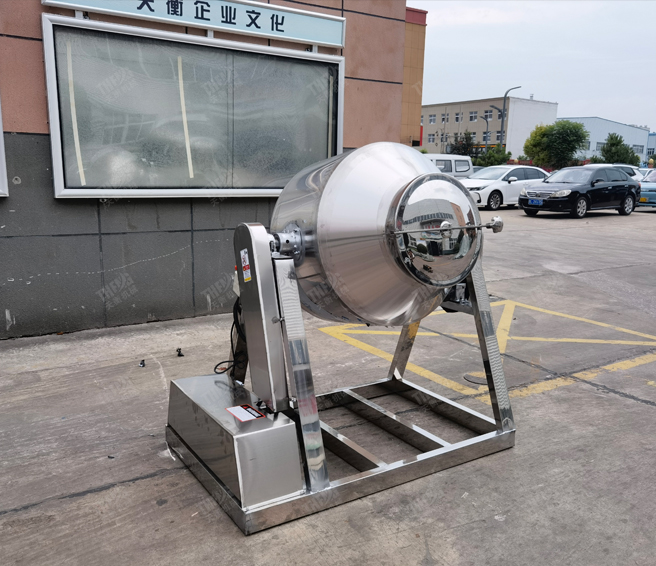
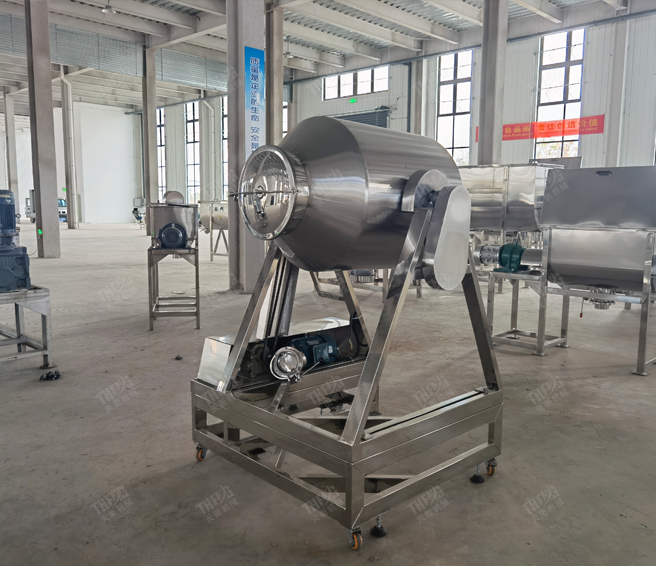
There are numerous types of industrial mixing equipment, and the selection directly affects production efficiency and cost. Many enterprises tend to blindly pursue high-end models when making selections, resulting in waste. Drum mixer is a common model, the equipment has simple structure, convenient operation, high cost performance. Clearly define the applicable scenarios, so as to make precise selections and avoid mistakes and save costs.
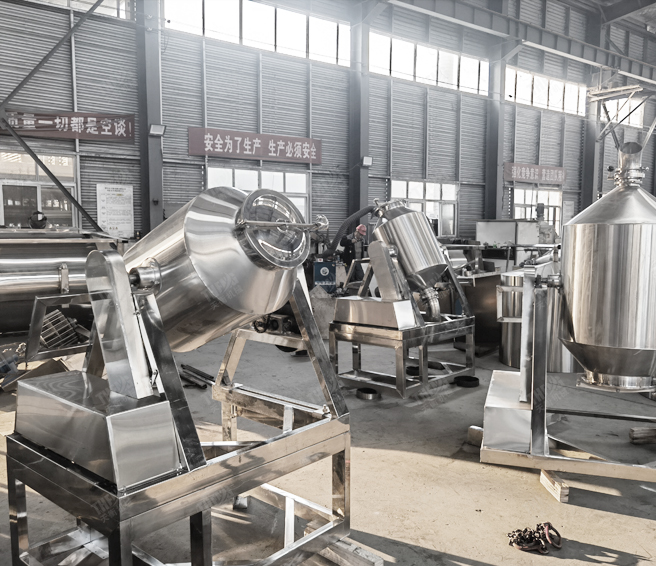
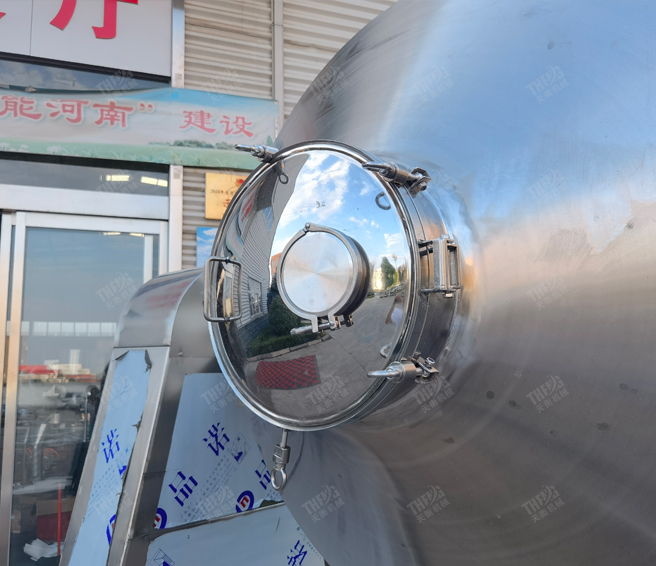
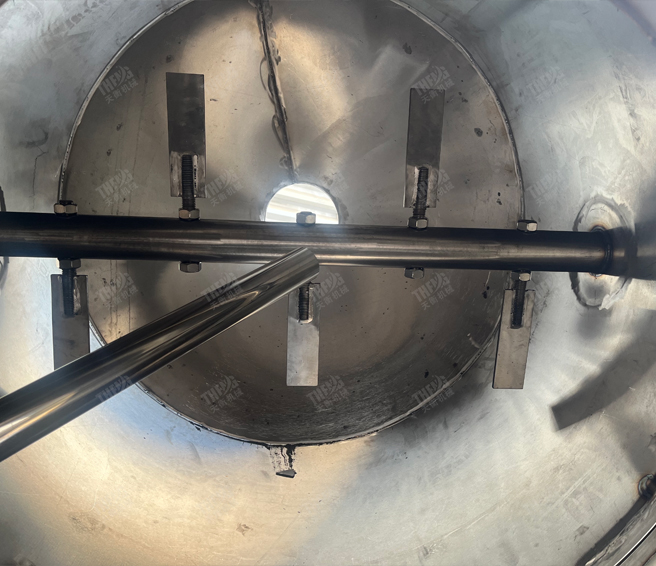
Matching material scenarios:
For handling materials with medium to low viscosity, industrial drum-type mixers are the preferred choice. For example, sand and gravel, cement, putty powder, dry powder mortar, etc., are materials without strong stickiness.
Materials without clumping and with uniform density, and those that do not require high-intensity shear mixing, are suitable for using drum-type mixers.
High viscosity and materials prone to sticking to the walls are not suitable for using drum-type mixers, such as thick coatings and rubber raw materials.
Production capacity requirements
Small batch, intermittent production, suitable for drum type mixers.
Single batch mixing capacity ranges from 500L to 5000L, capable of meeting medium and small-scale production demands.
The production rhythm is flexible, and there is no need for complex debugging when starting or stopping the machine.
Facility and Operation
The workshop has a small area and limited ceiling height. The drum mixer is given priority.
The operation process is simple and easy to master. The staff’s technical level is limited, so the drum type model is recommended.
Cost and Maintenance
The equipment has a low purchase cost. With a limited budget, we aim for high value for money. Therefore, we choose the industrial drum mixer.
The structure is simple, making it easy for daily maintenance, and the maintenance cost is low.
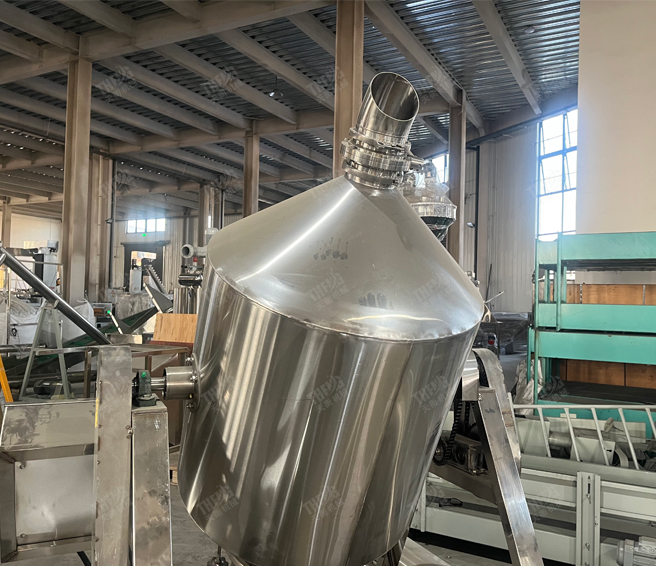
Summary
Industrial drum type mixer, featuring simplicity, convenience and high cost-effectiveness. It is particularly suitable for companies with low to medium viscosity materials, small batch production, limited factory space and budget constraints.