
 English
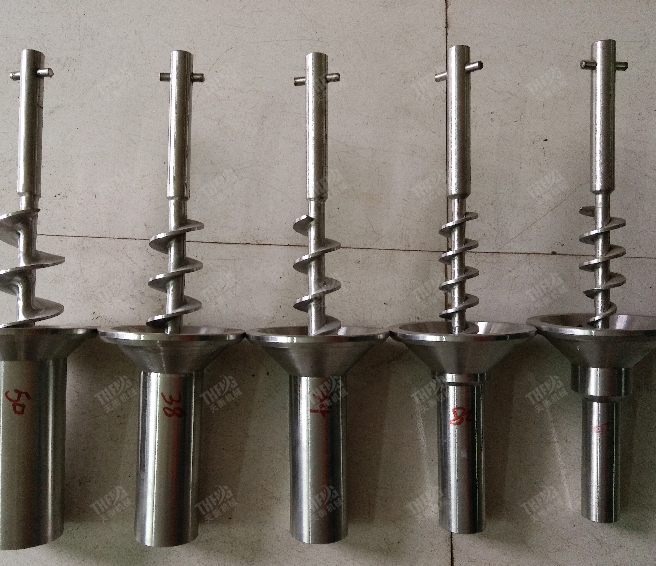
The powder packaging machine, as the core equipment for quantitative packaging of powdered materials, is widely used in industries such as chemical, food, medicine, and building materials. The screw, as the core component for measurement, its wear degree and cleanliness directly affect the packaging accuracy. The characteristics of powdered materials, such as easy moisture absorption, easy agglomeration, and easy dust generation, place higher demands on the daily maintenance of the equipment. This article will introduce the daily maintenance of this equipment and the solutions to common faults.
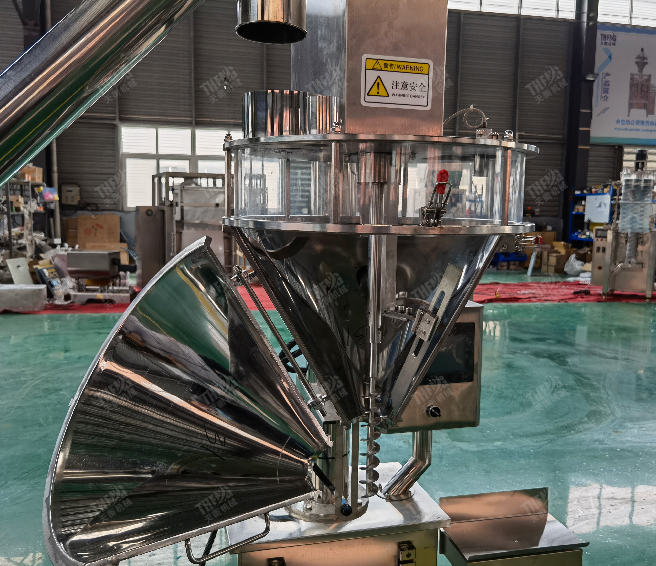
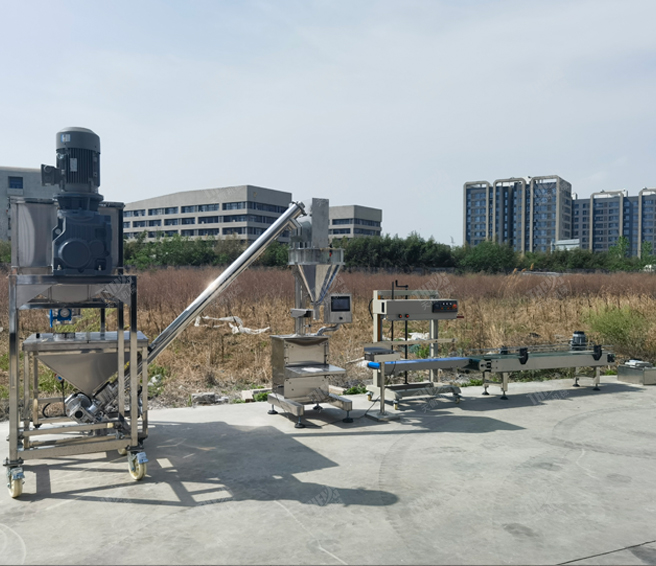
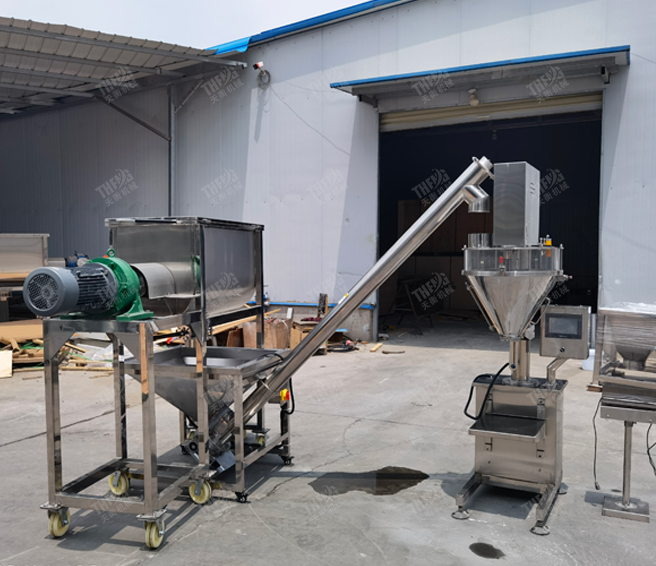
Semi-automatic Screw Powder Packaging Machine
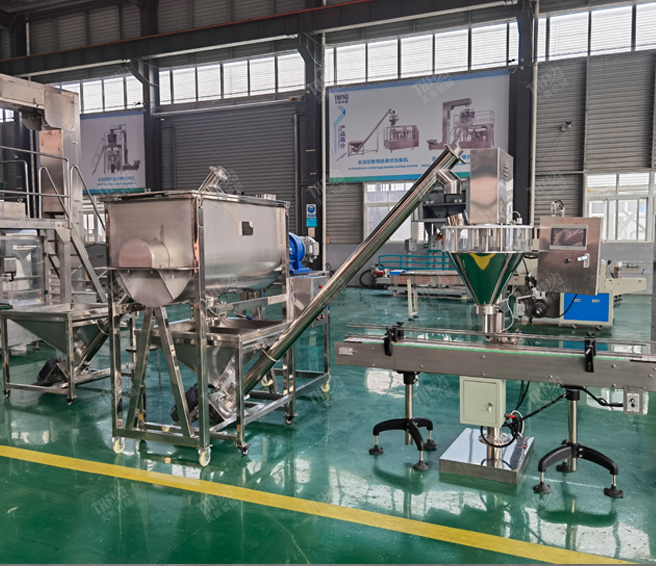
Powder mixing packing equipment for bottle
Daily Maintenance
After each use, be sure to turn off the power supply, and clean up after the machine has completely stopped running.
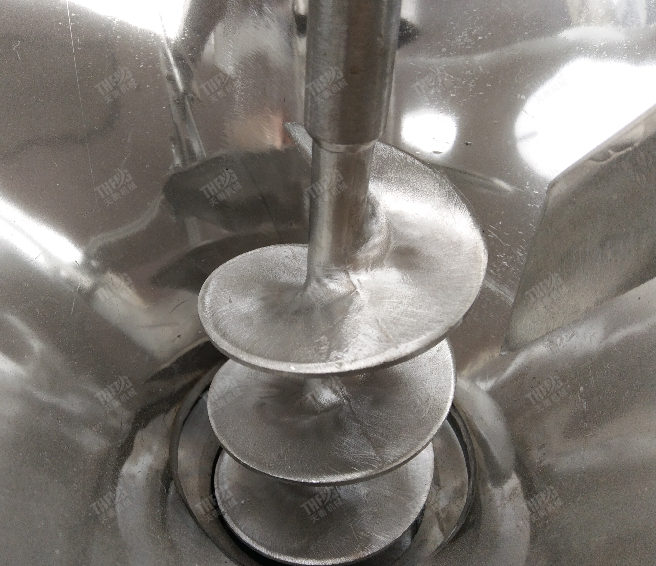
Clean the screw and feeding port: clean the screw and feeding port regularly to avoid uneven feeding due to powder blockage and caking.
Hopper: You can choose an openable design and separate the hopper. No adsorptive and viscous powder, can be wiped with a clean dry cloth; Sticky powder, you can use a soft brush to help clean.
Equipment surface: Wipe the machine with a clean cloth to remove the floating dust.
Photoelectric sensor: Clean photoelectric sensor lens to prevent dust occlusion from affecting signal detection.
Daily: check the amount of oil in the chain, gear, bearing and other parts.
Monthly: Replace the special lubricating oil for the reducer.
Daily: check the amount of oil at each lubrication point, clean photoelectric sensor, and whether the equipment is abnormal.
Every week: check the tightness of the transmission belt and the tightness of the connecting bolts.
Monthly: replace the lubricating oil of the reducer, check the electrical wiring, check the wear of the screw, bearing, chain, gear and other moving parts.
Common Faults and Solutions
Fault 1: No material or poor material discharge
Possible causes:
Blockage of the screw (powder getting damp and clumping or containing large particle impurities)
Faults in the feeding system (insufficient material in the storage bin or blockage in the feeding pipeline)
Abnormalities in the electrical control system (faults in the drive motor or poor contact in the wiring)
Severe wear of the screw (excessive pitch gap, unable to effectively convey materials)
Solution:
Immediately stop the machine for inspection, clean the screw and its internal space, ensuring there are no clumps or impurities
Check and clean the storage bin and feeding pipeline
Check the drive motor and control wiring Check if the screw is damaged. If necessary, replace it promptly.
Fault 2: Inaccurate measurement accuracy
Possible causes:
Wear or deformation of the screw
Malfunction of the weighing sensor
Incorrect setting parameters
Blockage of powder causing uneven material discharge
Solution:
Regularly inspect and replace the worn-out screw components
Calibrate the sensors
Adjust the packaging weight parameters
Clean the screw and the discharge port
Fault 3: The packaging speed slows down or becomes unstable
Possible causes:
Motor drive system failure
Blockage or wear in the screw transmission part
Solution:
Perform maintenance on the motor and replace it if necessary
Clean or replace the worn-out screw components Ensure the smooth operation of the transmission system
Establish maintenance log: record the details and problems encountered in each maintenance to help find potential problems and provide reference for troubleshooting.
Operator training: Conduct regular training for operators to understand the working principle and maintenance points of the equipment, and effectively reduce the failure rate.
Pay Attention to Material Characteristics: Select appropriate screws or adjust parameters based on the material characteristics.
Environmental Management: Place the equipment in a dry and clean indoor environment for use.