
 English
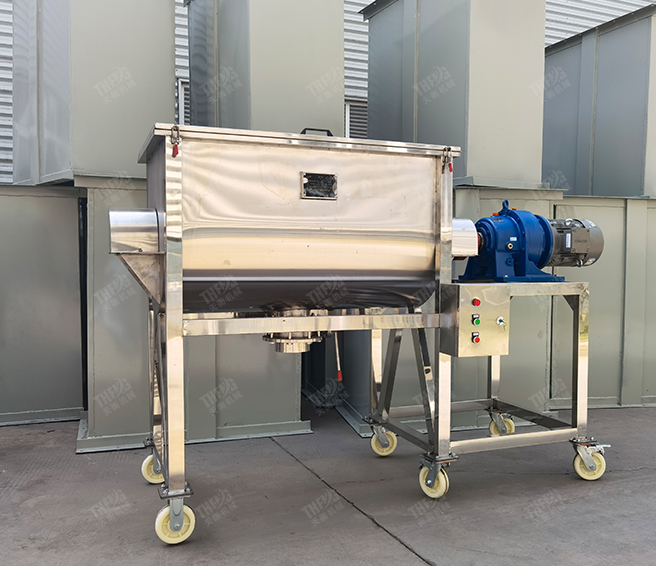
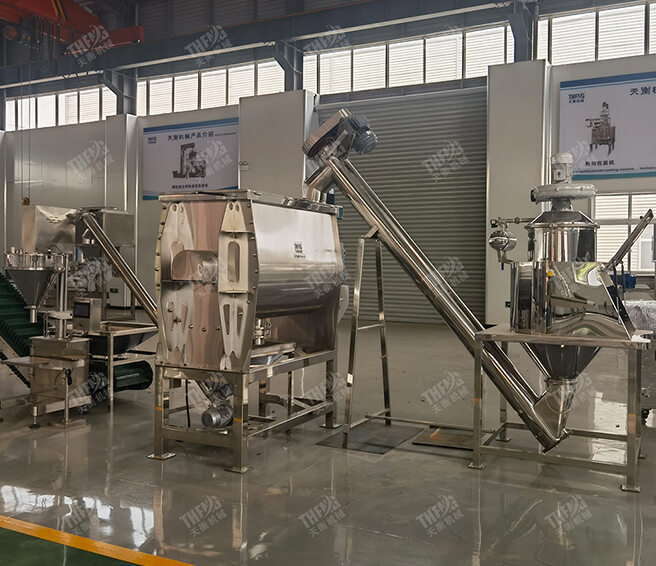
To ensure the long-term stable operation of the horizontal double-screw mixer, a systematic maintenance and care plan is of vital importance. The following core maintenance process table summarizes the core work of each key component in different cycles. You can quickly understand the overall framework and frequency of maintenance.
Maintenance cycle
|
Every day |
Stirring blades and liners: Clean up residual materials and check for wear and looseness. |
|
Sealing and lubrication system: Check for any leakage at the shaft end and the box body, and manually add grease to the lubrication points. |
|
|
Transmission and electrical system: Listen for any abnormal sounds or vibrations during operation, and check the effectiveness of the emergency stop button. |
|
|
Every week |
Stirring blades and liner: Measure and adjust the gap between the blades and the liner, and check the fastening bolts. |
|
Lubrication system: Check the working status of the automatic lubrication station and the oil circuit. |
|
|
Electrical system: Clean the dust from the electrical cabinet. |
|
|
Every month |
Electrical system: Clean the dust from the electrical cabinet. |
|
Electrical system: Clean the dust from the electrical cabinet. |
|
|
Electrical system: Inspect the contactors and relay contacts, and test the grounding resistance. |
|
|
Every six months |
Transmission system: Replace the lubricating oil of the reducer. |
|
Sealing system: Replace the shaft end seal as needed. |
|
|
Electrical system: Calibrate sensors and back up PLC programs. |
In-depth maintenance of core components
Stirring system
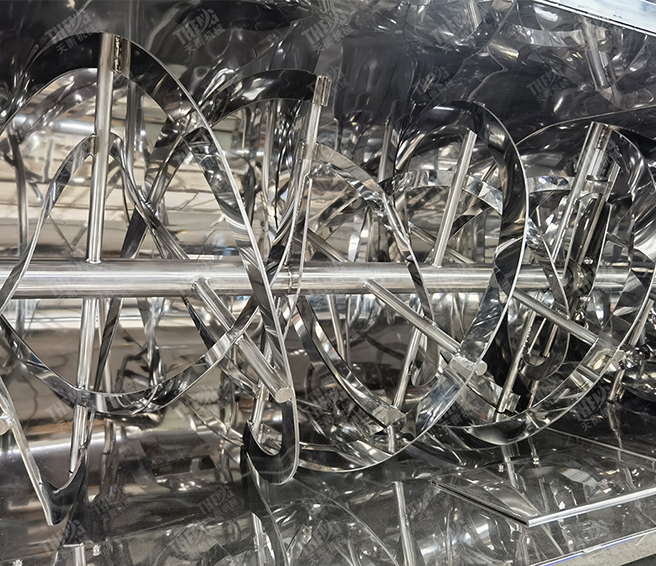
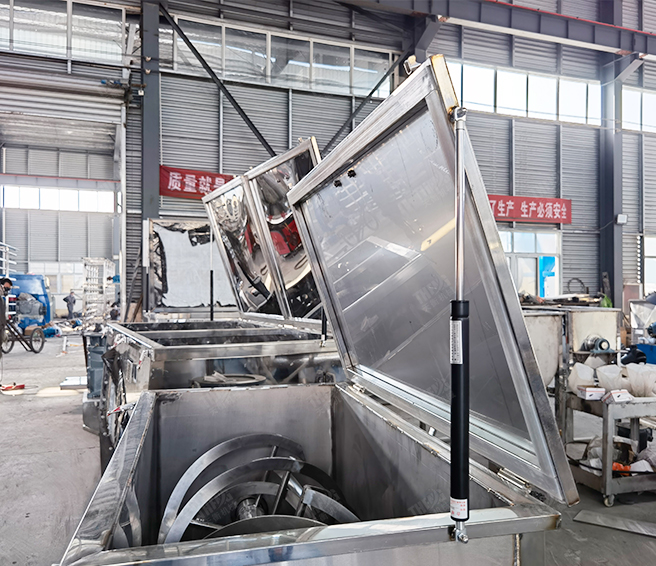
Daily cleaning and inspection: After each operation, all residual materials must be thoroughly cleaned up to prevent caking. Check whether the blades have cracks or deformations and whether the connecting bolts are loose.
Clearance inspection and adjustment: The clearance between the blade and the liner is a key parameter and should usually be maintained at 3-5mm. It should be inspected once a week. If it exceeds 8mm, it needs to be adjusted immediately; otherwise, it will affect the stirring effect and accelerate wear.
Wear determination and replacement: Regular measurement. When the liner wears to one-third of its original thickness or the edge of the blade wears more than 10mm, replacement should be considered. For local wear and tear, surfacing repair can be adopted, but it must be operated by professional welders and wear-resistant electrodes should be used.
Transmission and lubrication system
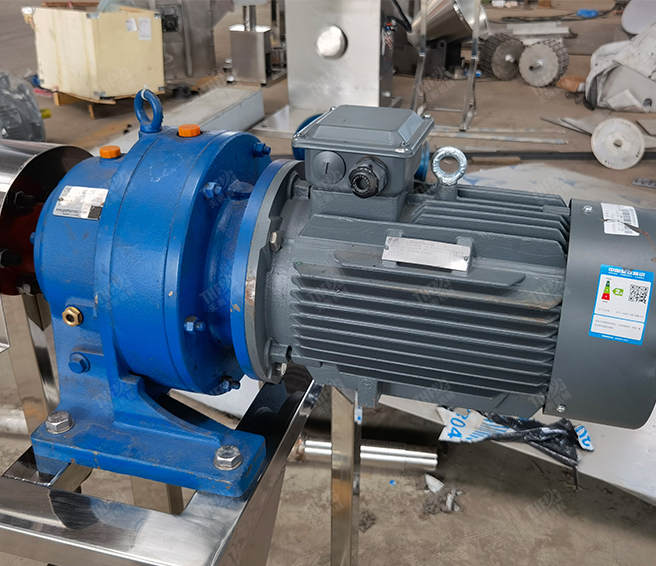
Maintenance of reducers: The key points are the oil level and oil quality. Check the oil level every month to ensure it is at the midline of the oil gauge. Change the lubricating oil according to the cycle specified in the manual (usually every half a year or one year), and clean the oil tank before changing the oil.
Bearing and Lubrication Management:
Lubrication selection: Strictly select grease in accordance with the equipment manual. Mixing is strictly prohibited.
Lubrication operation: For manual lubrication points (such as the bearings of the stirring shaft), oil should be added daily or per shift until the new grease slightly overflows.
Condition monitoring: During operation, pay attention to the bearing temperature, which should not exceed 75℃. Abnormal temperature rise is often a signal of lubrication failure or damage.
Sealing and Electrical systems
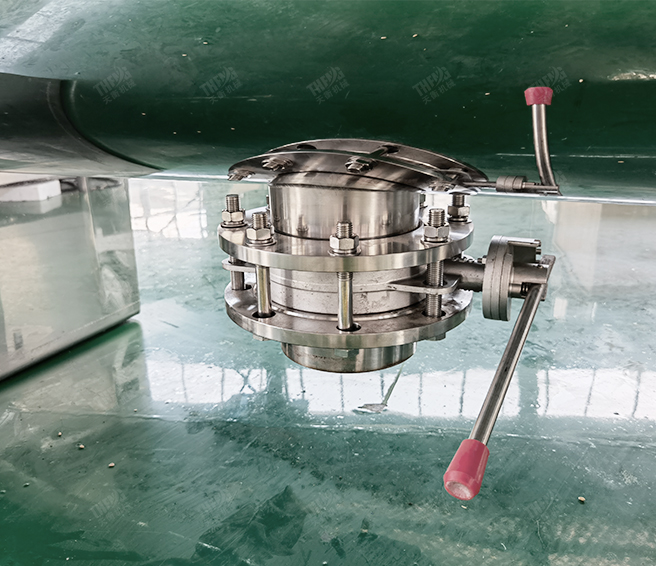
Sealing system: Check daily for oil or material leakage at the end of the stirring shaft, the reducer housing and other parts. If leakage is found, it should be dealt with in time. When replacing the sealing parts, oil-resistant and wear-resistant models should be selected, and the installation surface should be kept clean.
Electrical control system:
Regular dust removal: Clean the interior of the electrical control cabinet with dry compressed air every month to prevent dust accumulation from causing short circuits.
Component inspection: Check the contactors and relay contacts for any erosion every quarter.
Program and Security Backup: Regularly back up PLC programs. Check monthly whether the emergency stop switch and safety door lock are effective.
Seasonal and special operation maintenance
Seasonal adjustment:
In summer: Pay special attention to the heat dissipation of electrical components and hydraulic systems.
In winter: It is necessary to switch to low-temperature lubricating oil (grease) to prevent the oil circuit from freezing. After the machine stops, be sure to drain the water in the waterways and air tanks to prevent them from cracking due to freezing.
Special material handling: After stirring high-intensity, corrosive or high-viscosity materials, the frequency and thoroughness of cleaning must be increased to prevent material corrosion or caking from causing damage to the equipment.
I hope this guide can help you establish a scientific maintenance system. If you want to know more about the mixing machine, please feel free to contact us at any time!
Horizontal Screw Mixing Machine
Drum Mixing Machine
Paddle Feed Mixing Machine
500L Stainless Steel Liquid Mixing Tank