
 English
In fields such as industrial production, construction materials, food processing, chemical engineering and pharmaceuticals, mixers are indispensable key equipment. Faced with various types such as horizontal mixers, paddle mixers, drum mixers, and liquid mixing tanks, many users often feel confused: Which type of mixer is the most suitable for my production needs? This article will provide you with a comprehensive purchasing guide to help you make an informed decision.
Five Key Factors for Choosing a Mixer
1. Material property analysis
Physical state: dry powder, granules, paste, liquid or multiphase mixture?
Density and specific gravity: Large differences in material density can affect the mixing method and time.
Viscosity: High-viscosity materials require stronger shear force and power
Corrosiveness: Determine the material selection of the equipment (stainless steel, carbon steel, special coating)
Wear-resistant: Materials with high wear require wear-resistant linings or special treatments.
Thermal sensitivity: Is a temperature control system required?
2. Considerations of production requirements
Capacity demand: Batch production or continuous production? How much material needs to be processed per hour/per batch?
The standard for uniformity of mixing: The requirements for uniformity vary greatly among different industries.
Process time: The allowable length of the mixing cycle.
Upstream and downstream equipment matching: Compatibility with existing production lines.
3. Special process requirements
Is a heating, cooling or vacuum environment required?
Is it necessary to add other ingredients during the mixing process?
Is it necessary to clean the product quickly and thoroughly when changing it?
The food and pharmaceutical industries have special hygiene requirements
4. Special process requirements
Available space dimensions and height restrictions
Feeding and discharging methods (top, bottom, side)
Power source: Electric, pneumatic or others?
Basic load-bearing capacity.
5. Economy and long-term costs
Initial investment budget
Operating energy consumption cost
Maintenance frequency and cost
Equipment durability and expected service life
Four selection method: Find your ideal blender
Step 1: Clarify your core needs
The requirements that must be met (such as production capacity, material characteristics)
Important but not critical requirements (such as specific functions)
Enhanced functions (such as intelligent control)
Step 2: Type matching filter
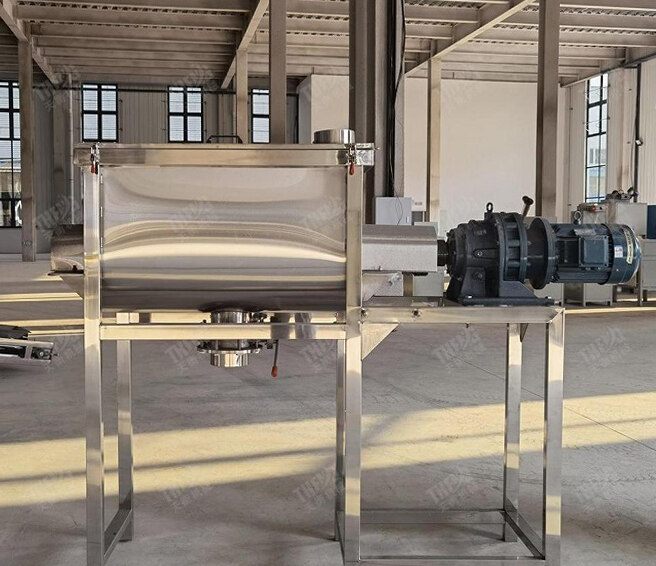
For dry/semi-dry materials, horizontal mixers are preferred
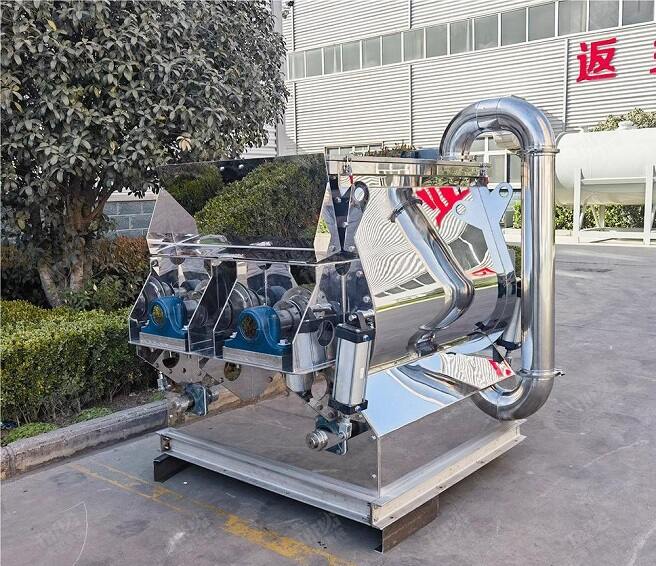
For high viscosity and strong shearing requirements, paddle agitators are more suitable
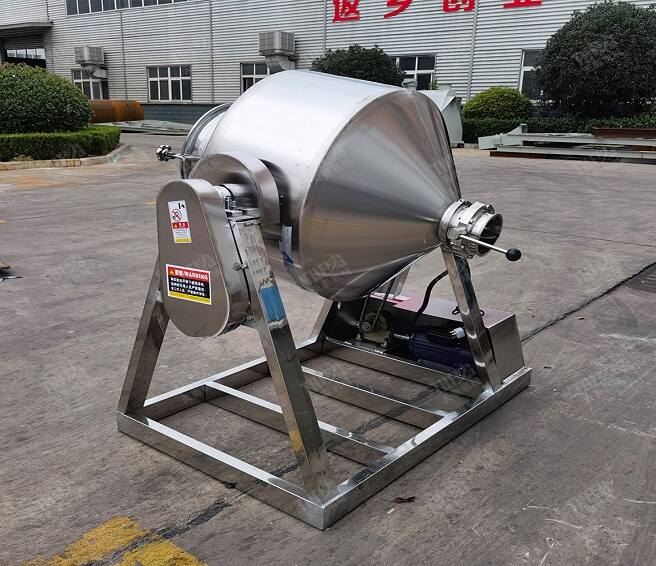
For precious and fragile materials, the drum mixer is the ideal choice
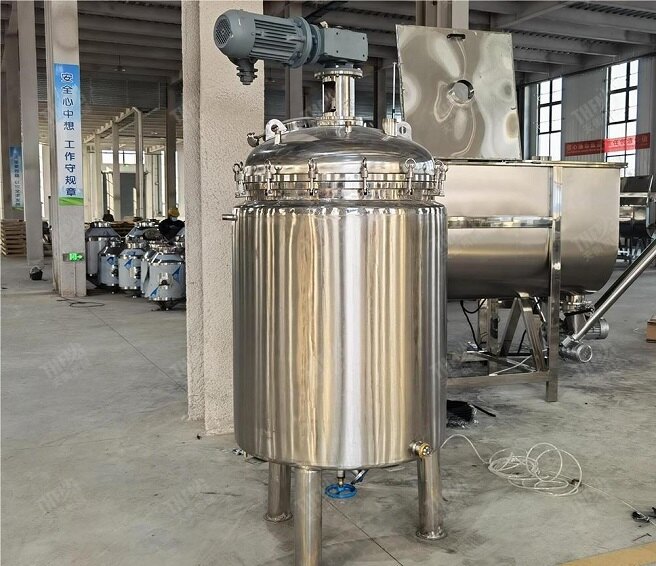
Liquid materials : Liquid mixing tanks are the most professional
Step 3: Refinement of specification parameters
Capacity selection: Consider the maximum loading capacity and effective working capacity
Power matching: Ensure sufficient power without wasting energy
Material selection: Choose based on the corrosiveness of the material and hygiene requirements
Control system: From basic manual to fully automatic PLC control
Step 4: Supplier Evaluation and verification
Examine the manufacturer’s professional experience and technical strength
Check out successful cases of similar materials
Material tests are required (samples are provided for actual testing).
Evaluate the after-sales service and technical support capabilities
Avoid common purchasing misunderstandings
1.The misconception that “the greater the power, the better” : Excessive power not only wastes energy but may also cause unnecessary damage to materials
2.”Price only” misconception: cheapest initial investment may lead to higher operating costs and shorter equipment lifespan
3.The misconception of “completely copying others” : Even when producing similar products, minor differences in manufacturing processes may require different equipment configurations
4.The misconception of “ignoring future demands” : Consider possible future product expansions or process changes and choose equipment with a certain degree of flexibility
When is Customized Solution Needed?
When you encounter the following situations, standard equipment may not meet your needs and customization should be considered:
The material has special physical or chemical properties
The production process has unique steps or requirements
The spatial restrictions are extremely strict
It needs to be seamlessly integrated with existing special equipment.
The output is at the critical point of the standard model
Conclusion
Horizontal Screw Mixing Machine
Drum Mixing Machine
Paddle Feed Mixing Machine
500L Stainless Steel Liquid Mixing Tank
Choosing a suitable mixer is a decision-making process that requires a comprehensive consideration of technical, economic and practical conditions. The right choice can not only enhance production efficiency and ensure product quality, but also reduce operating costs and extend the service life of equipment. It is recommended that before making a final decision, you communicate as deeply as possible with professional suppliers and even conduct actual material tests to ensure that the equipment fully meets your specific requirements. As a professional supplier of mixing machinery, we offer comprehensive technical consultation, material testing and customized services to help you find the most suitable mixing solution. Welcome to contact our technical team at any time for personalized professional advice.